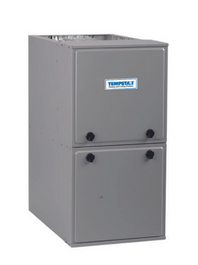
When your heating or cooling system isn’t working the way it should, don’t wait for a small problem to turn into an expensive breakdown. Quality Comfort Home Services is your trusted choice for HVAC repair near Cincinnati, with experienced technicians, upfront pricing, and fast, reliable service. Whether it’s a furnace issue, AC trouble, or something in between, our team is ready to restore comfort to your home. Call Quality Comfort today or schedule your HVAC repair online and get the dependable, local service your family can count on.
As summer temperatures rise, many homeowners wonder if they should do more than just turn their thermostat to cooling mode. It’s a great question, especially when trying to save on energy costs and reduce wear on your HVAC system. The short answer? You can turn your furnace off, but it’s not always necessary. In most cases, Quality Comfort Home Services doesn’t recommend shutting it down completely.
Why Homeowners Consider Turning Off Their Furnace
Most furnaces use little to no energy during the summer if your thermostat is set to cooling mode, they simply don’t run. But some older gas furnaces with a standing pilot light can still burn a small amount of gas year-round if left on.
Turning off the furnace can:
- Reduce a small amount of energy use if your furnace has a continuously burning pilot light.
- Potentially reduce utility costs by eliminating that pilot light gas draw.
- Prevent anyone from accidentally switching your thermostat to heat on a hot day.
Why Quality Comfort Doesn’t Recommend Turning It Off
While turning your furnace off can save a bit on fuel, there are some important reasons to think twice before shutting it down all summer.
1. Moisture & Corrosion Risks in Warm Spaces
When a gas furnace is completely shut down, especially in a warm, humid basement, moisture can condense on components inside the unit. This moisture can lead to rust, corrosion, and premature wear on internal parts. That’s because the heat that would normally evaporate moisture isn’t being produced, allowing dampness to sit on metal surfaces.
2. Structural and Component Issues
- Inactive furnaces can collect dust, soot, and debris, which can contribute to wear and tear or attract insects.
- Turning the pilot light or gas valve off might necessitate a service visit to relight or reset the furnace when colder weather returns.
3. Your Furnace Blower Plays a Role in your AC
When your air conditioner is running, it cools the air at the indoor evaporator coil (usually located above the furnace). The furnace blower fan is what pushes that cooled air through your ductwork and into each room. Without the blower, cold air would stay trapped near the coil instead of circulating throughout the house.
Many thermostats allow you to run the fan independently of heating or cooling. This uses the furnace blower to:
- Circulate air throughout the home
- Balance temperatures between rooms
- Improve air quality by moving air through the filter
For these reasons, Quality Comfort Home Services generally suggests keeping your furnace powered (but unused) rather than shutting it down completely, especially if your furnace area is warm and prone to humidity.
What You Can Do Instead of Shutting Down the Furnace
If you’re concerned about efficiency and wear, here are some alternatives:
✔ Turn the Thermostat Down
Set your thermostat to “off” or to cooling mode. This stops heating cycles without powering down the furnace completely.
✔ Keep the Blower Available
In many systems, your furnace blower helps circulate air for cooling, so keeping power on can support your air conditioning.
✔ Seasonal Furnace Maintenance
If you’re worried about the longevity of your furnace and the efficiency at which it runs, schedule furnace maintenance. A professional tune-up helps ensure your furnace operation stays top-notch and your electric bills don’t needlessly rise.
Routine maintenance not only improves performance, it can extend the life of your furnace and reduce the need for costly repairs later.
When It Might Be Okay to Turn It Off
There are some situations where turning the furnace off all summer might make sense:
- You have an older furnace with a standing pilot light and want to cut every bit of fuel use.
- You’re very confident the basement or utility room stays dry and well-ventilated.
If you choose to turn your furnace off, just be sure to:
-
Follow your manufacturer’s instructions or call a technician.
-
Plan to schedule a professional inspection and restart service in early fall.
Final Takeaway
You can turn off your gas furnace during the summer, and it may save a small amount on fuel costs in some homes, but Quality Comfort Home Services generally recommends against shutting it down completely if your basement or utility space gets warm and humid. Keeping the furnace powered and combining that with regular maintenance helps protect your investment and ensures reliable performance year after year.