You probably don’t think about your outdoor water spigot until it starts leaking, won’t turn off, or suddenly stops working when you need it most. But this small fixture plays a big role in your home’s plumbing system, and when it fails, it can waste water, damage your home, and cost you money. Whether you call it a spigot or a hose bib, understanding how it works, what can go wrong, and how to take care of it can save you frustration and expensive repairs down the road. Let’s break down exactly what a water spigot is, how it differs from a hose bib, and what every homeowner should know about maintaining and repairing one.
What Is a Water Spigot?
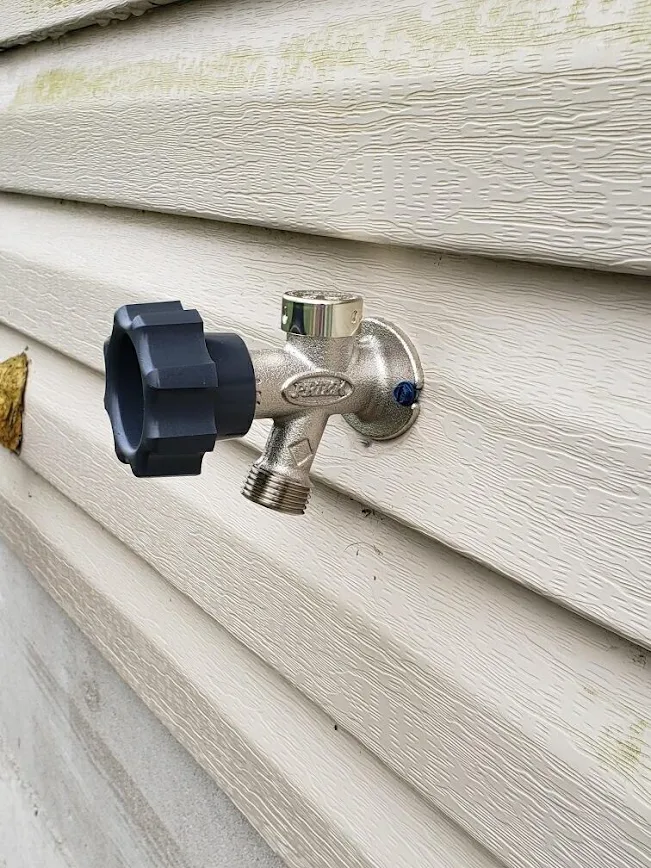
A water spigot (spigot, not spicket) is the outdoor faucet attached to your home that supplies water for things like garden
hoses, sprinklers, pressure washers, and filling buckets or kiddie pools. It connects directly to your home’s plumbing system and allows you to access water outside without running hoses through windows or doors.
You’ll usually find spigots on the exterior walls of a house, often near the front, back, or side yard. They’re simple in design, but when something goes wrong, they can waste a shocking amount of water, or cause real damage if ignored.
Spigot vs. Hose Bib: Is There a Difference?
“Spigot” and “hose bib” are commonly used interchangeably, and most homeowners mean the same thing by both.
Technically speaking, water spigot is the more precise plumbing term. It refers to the threaded outdoor faucet specifically designed for attaching hoses. “Hose bib” is a broader, everyday term people use for any outdoor faucet.
Essentially, if someone says spigot or hose bib, they’re talking about the same thing 99% of the time.
What Are Common Problems With a Spigot?
Spigots live a hard life. They’re exposed to weather, pressure changes, and constant use, which makes them prone to issues like:
- Leaks or drips (often from worn washers or seals)
- Low water pressure
- Cracked pipes, especially after freezing temperatures
- Loose or broken handles
- Water leaking inside the wall instead of outside (this one is serious)
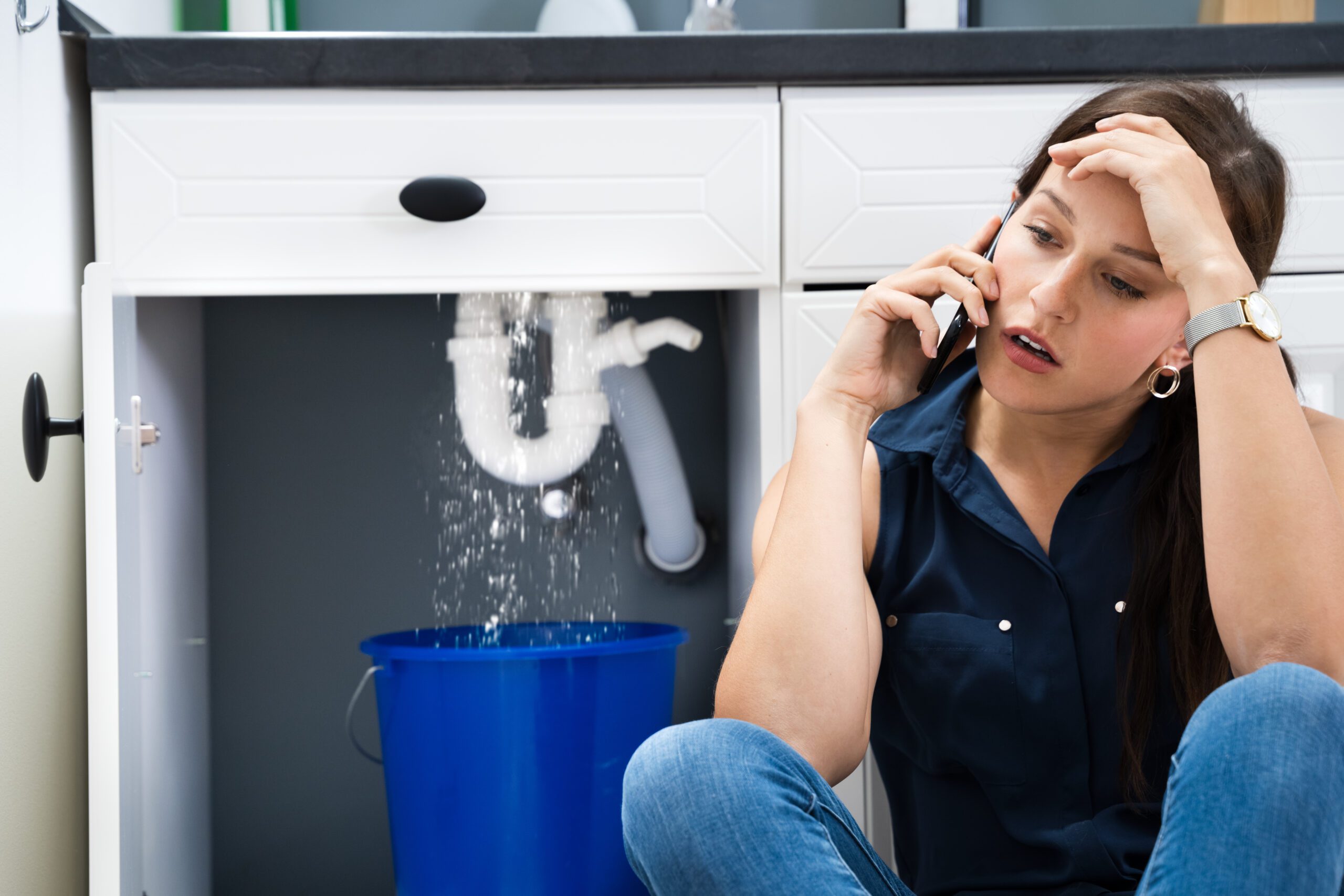
A slow drip might seem harmless, but it can waste hundreds of gallons of water over time. Worse, hidden leaks can rot wood or cause mold inside your walls.
Do You Need a Plumber to Repair a Spigot?
Sometimes yes. Sometimes no.
DIY fixes may work for:
- Replacing a worn washer
- Tightening a loose handle
- Swapping out a basic spigot with easy access
READ MORE: How To Fix A Leaking Hose Bib
Call a plumber if:
- Water is leaking inside the house or wall
- The pipe is cracked or frozen
- The spigot won’t shut off completely
- You’re upgrading to a frost-free spigot
- The repair requires cutting into pipes
If you don’t feel completely confident in doing a DIY spigot repair (or any kind of plumbing work, really), don’t gamble. Water damage can quickly become big, expensive messes that can lead to rot, mold, or structural damage to your home.
Spigot Maintenance Tips
Just like any other part of your home, regular maintenance will keep your water spigot in working order and help avoid problems further down the road. To keep your spigot working properly:
- Disconnect hoses before winter
- Shut off the indoor supply line (if you have one)
- Drain remaining water before freezing temperatures hit
- Check for drips each spring
- Replace washers at the first sign of leaking
If your home has frost-free spigots, they still need hoses removed in winter; otherwise, they can freeze and fail just like standard ones.
Do All Homes Have a Spigot?
Most modern homes have at least one outdoor spigot, and many have two or more. However, older homes, condos, apartments, or townhomes may have limited access, or none at all.
Some properties rely on shared outdoor water sources, while others may have spigots that were removed or capped due to past leaks or renovations.
If you’re unsure whether your home has one – or if it’s functional – a quick inspection around the outside of your home is easy. Just look for a small faucet attached to an exterior wall or pipe. Water spigots are usually made of metal or brass.
Final Thought
A water spigot might seem like a small detail, but when it fails, it can cause big problems. If yours is leaking, cracked, or just plain unreliable, it’s worth addressing sooner rather than later. Plumbing issues don’t fix themselves, and outdoor leaks are easy to ignore until they’re suddenly not.
Quality Comfort is here to help with the plumbing needs of Cincinnati families, including spigots! Call us at (513)-620-4822 or conveniently schedule online.